
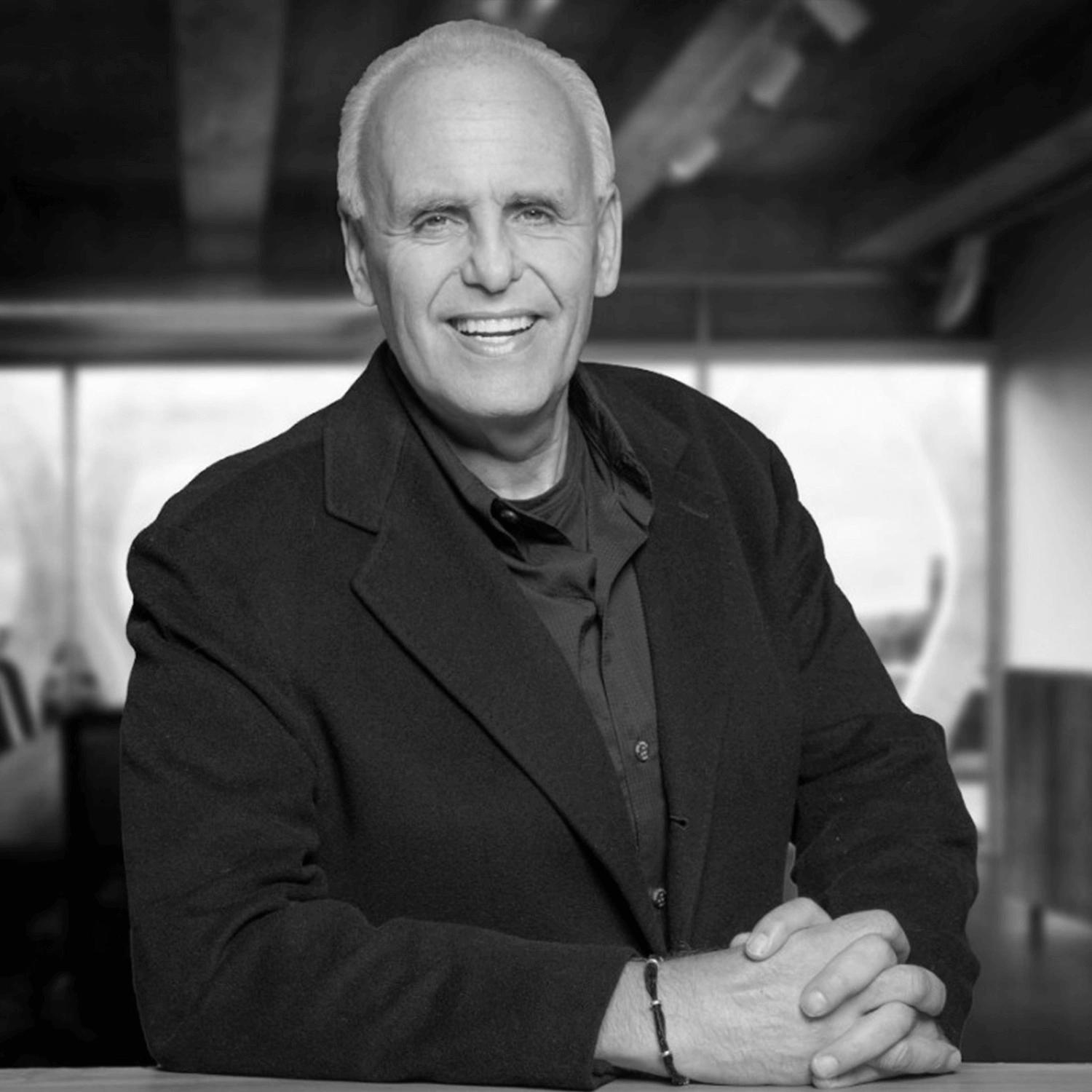


What Arvind KC's appointment as Chief People Officer signals about where enterprise AI is heading
When a company appoints a Chief People Officer who has spent most of his career writing code and designing systems rather than running HR functions, it's worth pausing to ask why.
OpenAI did exactly that on February 24, 2026, naming Arvind KC as its new CPO. KC comes to the role not through the traditional people-and-culture pipeline, but from senior leadership positions at Roblox, Google, Palantir Technologies, and Meta — organizations known as much for their engineering rigor as their scale. His background blends deep technical fluency with organizational design, and that combination is no accident.
People Infrastructure as Competitive Advantage
The signal here is intentional. OpenAI isn't simply filling a leadership gap in HR. It's making a strategic statement: as AI capabilities expand, the systems that govern how humans work alongside those capabilities matter as much as the capabilities themselves.
KC's mandate covers the full arc of the employee lifecycle, hiring architecture, onboarding design, development frameworks, internal systems, policies, and the collaborative structures that let high-performance teams operate at speed without losing coherence. That's a broad remit, and framing it through the lens of "infrastructure" rather than "culture programs" reflects a fundamentally different orientation toward the people function.
Traditional HR thinking asks: how do we support our employees? The emerging model KC appears to represent asks something harder: how do we design the systems in which employees operate so that the organization itself compounds over time?
The Template Play
What makes this appointment particularly notable for anyone watching enterprise AI is the second-order intention leadership has signaled. The people strategy KC develops at OpenAI isn't just meant to serve OpenAI. It's being positioned as a potential model, a playbook for AI-enabled work design that the company could ultimately share with its customers and partners.
That ambition puts people strategy squarely in OpenAI's go-to-market narrative. The implicit message: we're not just selling you a model or an API. We're building organizational knowledge about how to restructure human work around AI, and that knowledge has value beyond our own walls.
For enterprise buyers navigating their own workforce transformation, that's a meaningful offer, if it materializes.
What This Means for Enterprise Relationships
The operational implications run through several near-term dimensions worth watching.
First, hiring velocity and structure. A seasoned engineering-oriented executive brought in to scale people infrastructure will likely accelerate the build-out of customer-facing functions, support, security, compliance, delivery. These are the teams that directly touch enterprise relationships, and their maturity affects everything from SLA performance to vendor risk assessments.
Second, onboarding and knowledge transfer. As OpenAI's enterprise customer base grows, internal onboarding quality becomes an external quality signal. Organizations with rigorous internal knowledge transfer tend to produce better partner and customer experiences. KC's systems orientation should accelerate progress here.
Third, organizational credibility. Enterprises making significant AI commitments are conducting deeper due diligence on their strategic vendors. Evidence of mature, scalable organizational practices, the kind KC is being brought in to build, reduces perceived risk and supports longer, more structurally embedded partnerships.
The Broader Pattern
KC's hire is one data point in a broader pattern: AI-native companies are increasingly treating organizational design as a core capability, not a support function. The organizations that will win in the AI era won't just have the best models. They'll have the best systems for deploying those models through effective human-AI collaboration, at scale, with operational discipline.
The appointment of someone who thinks like an engineer about people infrastructure suggests OpenAI understands that. Whether that understanding translates into the kind of organizational template that influences how enterprises across industries redesign their own workforces remains to be seen.
But the intent is clear enough. And for executives navigating talent strategy in an AI-accelerated environment, it's a direction worth watching closely.