
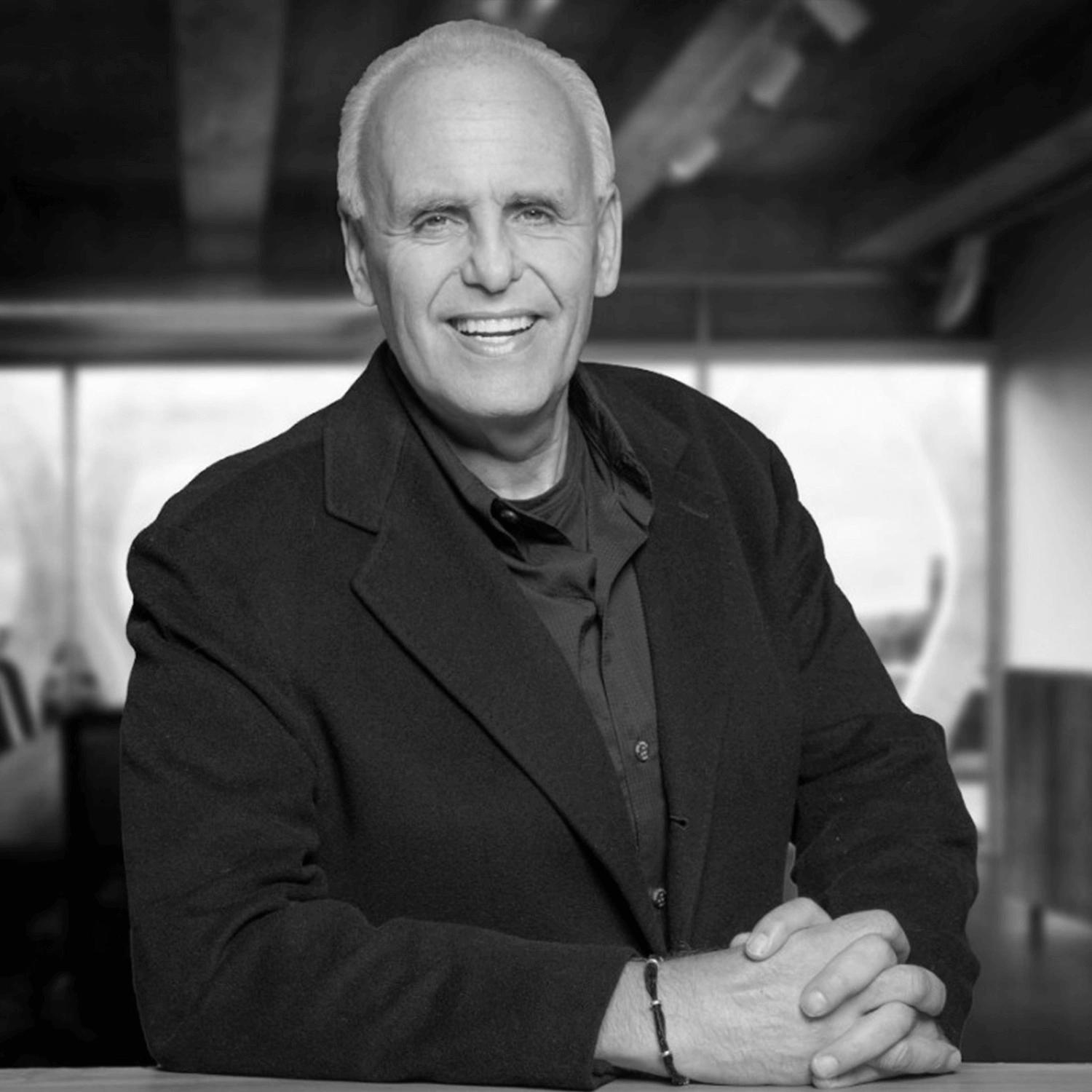

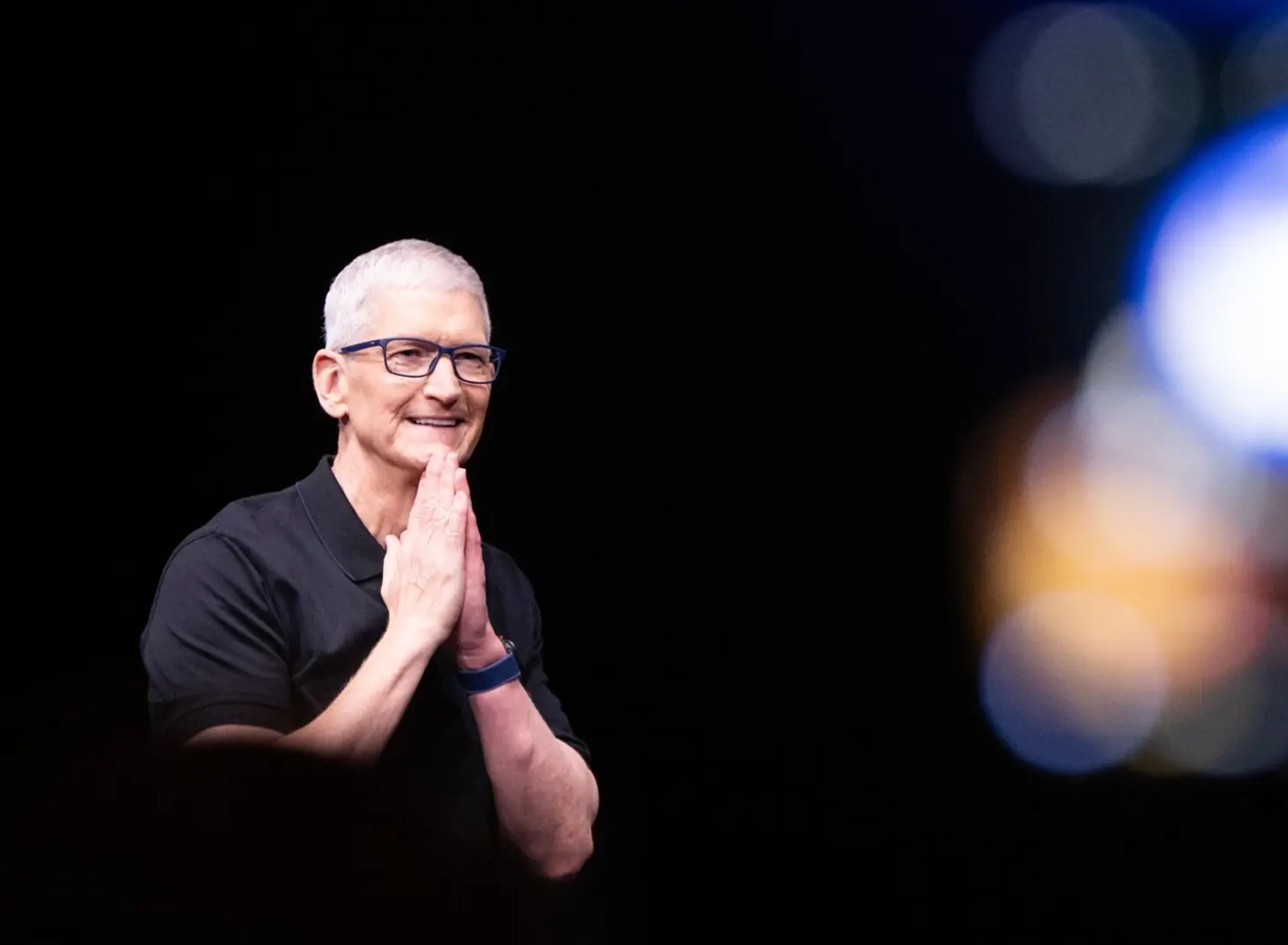
On April 20, 2026, Apple announced that Tim Cook will step down as chief executive officer on September 1, 2026, transitioning to the role of executive chairman. John Ternus, Apple's senior vice president of Hardware Engineering and a 25-year company veteran, will become CEO on the same date. The announcement, approved unanimously by Apple's board, was described as the result of a thoughtful, long-term succession planning process.
For technology companies and their boards navigating their own leadership transitions, the Apple announcement offers a detailed case study in how succession planning, when done well, produces a transition that is orderly, credible, and strategically coherent. For executive search firms working with technology boards, it surfaces the questions that every company should be asking before it needs to answer them.
What Tim Cook Built Over 15 Years
Tim Cook became Apple CEO on August 24, 2011, inheriting a company that was already one of the most valuable in the world but was also dealing with the loss of Steve Jobs, its defining founder and product visionary. The task Cook was handed was not to replicate Jobs but to sustain and grow what Jobs built while evolving the company in directions that its original founder had not mapped.
He did both, and the numbers are difficult to argue with.
Apple's market capitalization stood at approximately $350 billion when Cook took over. By the time of the April 2026 transition announcement, Apple's market cap sits at approximately $4 trillion: a more than tenfold increase over 15 years. That growth was not driven by a single product cycle but by a sustained expansion of Apple's business model, product portfolio, and geographic reach.
The operational foundation: Cook came to Apple in 1998 from Compaq, where he had been vice president of Corporate Materials. His background was supply chain and operations, and he applied that expertise immediately. Cook transformed Apple's supply chain into one of the most efficient and defensible in the technology industry, reducing inventory risk, expanding manufacturing relationships, and building the logistical infrastructure that allowed Apple to launch products at global scale without the supply constraints that had historically limited technology hardware companies.
The product expansions: Under Cook's leadership, Apple introduced the Apple Watch in 2015, which became the world's best-selling watch within two years of launch, and AirPods in 2016, which created the premium wireless audio category and established a new recurring revenue stream through accessories. Both products extended Apple's physical presence in customers' daily lives beyond the iPhone and demonstrated that the company could build new product categories rather than only refining existing ones.
The services pivot: Cook recognized earlier than most technology hardware executives that hardware margins are cyclically vulnerable and that recurring service revenue provides a more durable business model foundation. Under his leadership, Apple built a services portfolio that includes the App Store, Apple Music, Apple TV+, iCloud, Apple Pay, Apple News+, and AppleCare, generating revenues that have grown to represent a material portion of Apple's total business. The services segment's gross margins substantially exceed those of Apple's hardware segments, making it a central driver of the company's profitability profile.
The silicon transition: In 2020, Apple announced the transition from Intel processors to Apple Silicon, beginning with the M1 chip. The transition, completed across the Mac lineup in approximately two years, gave Apple full control of the computing architecture powering its devices and produced performance and efficiency improvements that competitive analysis consistently rated as significant. The M-series chips became a competitive differentiator that Intel and AMD could not readily match.
Leadership character: Cook's leadership style differed from Jobs's in ways that were deliberate and consequential. Where Jobs was famously demanding, volatile, and secretive, Cook built a culture of operational discipline, collaborative decision-making, and values-forward public communication. He became the first CEO of a Fortune 500 company to publicly come out as gay, in a 2014 essay in Bloomberg Businessweek. He advocated publicly on privacy, renewable energy, and accessibility at a time when technology executives were more commonly avoiding political and social visibility. His 15-year tenure generated no major governance controversies, a record few CEOs of technology companies at Apple's scale can match.
Who Is John Ternus?
John Ternus joined Apple in 2001, four years after graduating from the University of Pennsylvania with a degree in mechanical engineering. He is 50 years old. His career at Apple has been spent almost entirely in hardware engineering, which means he has been present for and responsible for some of the most consequential product decisions in the company's recent history.
As SVP of Hardware Engineering since 2021, Ternus has overseen the engineering teams behind the iPhone, iPad, Mac, Apple Watch, AirPods, and Vision Pro. That portfolio spans Apple's entire physical product lineup and represents the engineering organization that has produced the products responsible for the majority of Apple's revenue for more than a decade.
Ternus is not widely known outside the technology industry. Unlike Cook, who became a public-facing CEO comfortable in congressional hearings, investor presentations, and product keynotes, Ternus built his reputation inside Apple. He has appeared in Apple's "Behind the Mac" and product video segments but has not cultivated the external profile that some technology executives at his level maintain. That profile, or the relative absence of one, will need to evolve as he assumes the most publicly visible executive role in American technology.
Cook described Ternus in the transition announcement as having "the mind of an engineer, the soul of an innovator, and the heart to lead with integrity and with honor." That description is notable not only for its warmth but for what it emphasizes: engineering instinct, innovation orientation, and character. It is a deliberate framing of the succession, positioning Ternus as a leader whose credibility derives from depth of contribution rather than external visibility.
The Strategic Agenda Ternus Inherits
The transition announcement is not simply a personnel change. It is a signal about the strategic priorities Apple's board believes require executive attention in the next chapter.
Artificial intelligence is the central challenge. Under Cook's leadership, Apple's AI capabilities, specifically generative AI and large language model integration, lagged those of competitors including Google, Microsoft, and OpenAI by a margin that became publicly visible when Apple Intelligence, announced at WWDC 2024, delivered results that the market received with skepticism relative to the capabilities competitors had already shipped. Apple's stock has reflected investor anxiety about this gap at various points since 2023.
Ternus is a hardware engineer, which initially appears an unusual background for leading an AI-era technology company. The framing Apple's board appears to be applying is different: that the next phase of AI differentiation will be won at the device layer, through chips, sensors, neural processing capability, and the integration of AI into physical products rather than through cloud-scale model training alone. Apple Silicon's neural engine capabilities and the integration of on-device AI processing across Apple's product lineup reflect this thesis. Ternus, as the executive who has overseen that hardware engineering work, is positioned as the leader who will make it a source of competitive differentiation rather than a catch-up exercise.
Johny Srouji, who previously reported to Ternus, has been named Chief Hardware Officer as part of the transition, taking over direct leadership of hardware engineering as Ternus moves into the CEO role.
The services business needs sustained leadership. The services pivot that Cook executed has become structurally important to Apple's financial profile. Maintaining the growth trajectory of services revenue, managing regulatory scrutiny of the App Store in the US and internationally, and expanding services into new categories are ongoing executive priorities that Ternus inherits with no obvious course change required.
Supply chain resilience remains a board-level priority. The pandemic-era supply chain disruptions that affected the technology industry broadly accelerated Apple's work to diversify manufacturing relationships beyond China-dominant concentration. That work continues, and the trade and geopolitical environment in 2026 makes supply chain strategy a live strategic question rather than a completed project.
What This Transition Reveals About Board-Level Succession Planning
Apple's announcement described the Ternus succession as the result of a "thoughtful, long-term succession planning process." That characterization deserves examination, because most technology company boards do not have a comparable process, and the absence of one creates risk that the Apple transition illustrates in sharp relief.
Internal succession produces continuity that external succession rarely matches. Ternus has spent 25 years at Apple. He knows the culture, the decision-making processes, the key executive relationships, and the product development cycles. That institutional knowledge does not transfer through an onboarding process; it accumulates over decades of participation. Companies that develop CEO successors from within the executive team consistently experience shorter transition disruption periods than those that recruit externally under pressure.
Succession planning requires lead time measured in years, not months. A board that begins succession planning when a CEO announces departure is not planning; it is reacting. The most effective succession processes identify potential successors years in advance, develop them through expanded roles and board exposure, and allow the board to evaluate leadership capability over time rather than in the compressed timeline of a search process.
The executive chairman structure is not available to every company. Cook's transition to executive chairman allows Apple to retain his policy relationships, investor credibility, and institutional knowledge in a defined role while transferring operational authority to Ternus. This structure works when the departing CEO is genuinely committed to enabling the successor rather than retaining informal authority. It does not work at every organization, and boards that design succession plans should evaluate explicitly whether the structure fits the personalities and dynamics involved.
Boards need to know who the next CEO is before they need one. The Apple announcement's reference to a unanimous board vote and a thoughtful long-term process reflects a board that had evaluated Ternus, developed confidence in his readiness, and aligned on the decision before the announcement was required. That alignment, achieved without external search pressure, is the product of sustained board attention to leadership development rather than a reactive process triggered by a departure.
Implications for Technology Boards and Executive Search
The Apple transition is a useful reference point for technology company boards at any scale evaluating their own succession readiness. The questions it raises are practical:
Has the board explicitly identified the internal candidates who could assume the CEO role if the current CEO departed in the next 12 to 24 months? Has the board evaluated those candidates in structured ways, including board presentations, expanded business responsibilities, and direct exposure to the board dynamics they would inherit? Does the board have a defined succession plan, documented and reviewed annually, or is succession planning a topic deferred to a future board agenda?
For technology companies that have not developed a clear internal successor, the succession planning process begins with an honest assessment of the current leadership bench and, in parallel, consideration of whether external search should be initiated before the need becomes acute. The window between a CEO departure announcement and organizational disruption is shorter than most boards estimate, and the quality of candidates available in a reactive search is lower than those available in a deliberate one.
Christian & Timbers works with technology company boards to design and execute CEO succession processes, from internal bench assessment through external search and transition planning. The Apple transition illustrates what a well-executed succession can look like. It also illustrates how much preparation that outcome requires.