
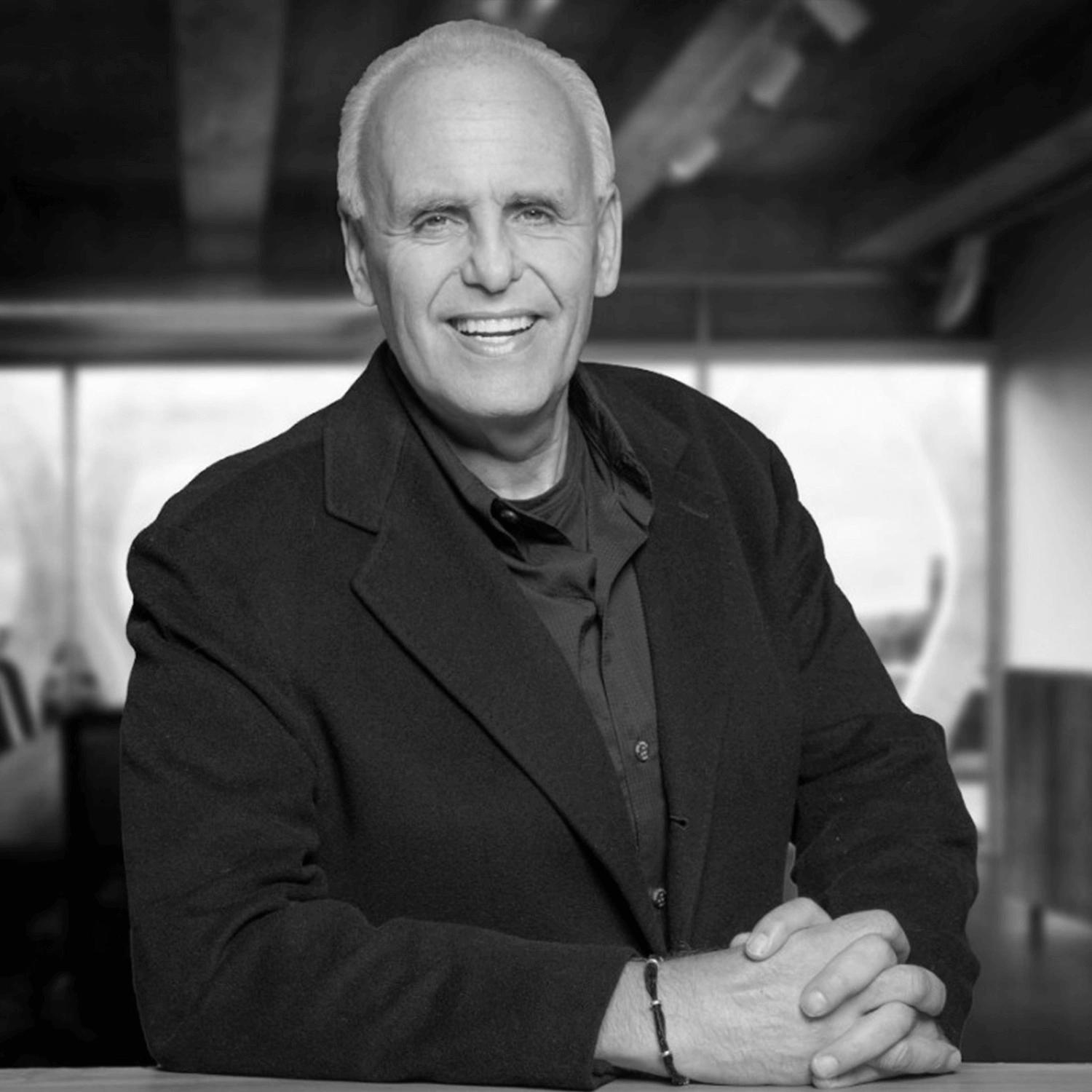


Uber has long positioned itself as a mobility and delivery platform, but internally, the framing is more technical. CEO Dara Khosrowshahi views Uber as a massive code base, shaped daily by engineers. This perspective explains a recent behavior: some teams built an AI clone of the CEO to rehearse before presenting to the real Dara.
What Dara AI actually does inside Uber
Dara AI functions like a rehearsal partner for high-stakes meetings. Teams run their draft narrative and slides through the CEO clone to pressure-test clarity, anticipate tough questions, and tighten the logic before the deck reaches executive review. Think of it as a simulation layer that compresses feedback cycles and raises the bar on internal storytelling.
This is important because executive meetings reward not only substance but also polish. When teams deliver a crisp narrative and clear metrics, discussions move quickly to decision-making. Dara AI enables repeatable polish, similar to software teams using tests to catch issues early.
The detail that makes the story stick is its social function. People use the clone to reduce the anxiety and uncertainty of presenting upward. In practice, it can help employees arrive better prepared, align faster, and waste less time in the room.
AI adoption at Uber has reached a tipping point.
Khosrowshahi has also shared a metric that frames Dara AI as a symptom of a larger change rather than a novelty. Around 90 percent of Uber software engineers use AI in their work, and roughly 30 percent qualify as power users who rethink architecture and workflows through an AI lens.
That distribution pattern is important. It suggests three internal cohorts:
- Broad adoption: AI as a standard part of daily engineering execution
- Power users: AI as a design partner that reshapes systems and processes
- Long tail experimentation: small teams building bespoke tools like a CEO simulator
When a company reaches this level of saturation, AI stops being a tool choice and becomes a cultural default. People assume assistance exists, then build workflows around that assumption.
Why a CEO clone shows up in engineering cultures first
Engineering organizations often create shortcuts to reduce cycle time. A CEO meeting is a bottleneck by design. It sits high in the decision chain, attention is scarce, and the cost of confusion is high. A CEO clone offers a way to reduce wasted iterations and to converge on a stronger narrative before the constraint of executive time kicks in.
Engineers automate predictable interactions. CEO reviews involve clarity, tradeoffs, risks, and alignment. A CEO clone can provide value by automating these recurring elements, even if imperfect.
The hidden organizational benefit is decision quality.
The most interesting part of Dara AI is less about imitation and more about standardization. When teams train themselves to answer executive-level questions earlier, they tend to:
- Define success metrics sooner.
- Clarify ownership and dependencies earlier.
- Surface risks before they metastasize into delivery delays
- Tighten strategy language so that cross-functional leaders interpret it consistently.
Over time, that can raise the overall quality of proposals that reach leadership. The CEO sees fewer vague decks and more decision-ready options. The broader organization learns the shape of good thinking faster.
The governance questions Uber and every enterprise will face
A CEO clone inside a company raises governance issues that boards and leadership teams will increasingly treat as operational hygiene:
Data boundaries
A clone becomes more useful as it absorbs more context: past decisions, written feedback, strategic priorities, and cultural preferences. Each additional input increases both utility and exposure.
Model behavior and accountability
If a simulation steers teams toward a certain framing, it subtly shapes what leadership hears. That can create an incentive to optimize for perceived preference rather than truth-seeking. A strong culture can mitigate this, yet the risk deserves active attention.
Internal trust and authorship
As employees rely on AI to craft narratives, leaders will need new ways to evaluate the quality of their thinking. The point is not whether AI helped. The point is whether the team owns the logic, understands tradeoffs, and can defend the recommendation under pressure.
What does this signal for the future of the CEO role
Khosrowshahi has discussed AI's limits in the executive context, especially in adapting to new information and making real-time judgments. That perspective aligns with what many operators see today: AI supports preparation, synthesis, and iteration, while leadership focuses on ambiguity management, accountability, and decision trade-offs across competing objectives.
The CEO clone trend still signals something structural. As AI increases employee productivity, leaders get leverage. They can ask for more depth, faster iteration, and clearer measurement. That pushes the organization toward higher throughput decision-making.
It also hints at a new management layer: simulation as standard practice. Teams will rehearse with an AI representation of the stakeholder they need to persuade, whether that stakeholder is a CEO, CFO, regulator, or major customer. The outcome is a workplace where persuasion and clarity are engineered, repeatable, and measurable.
A practical takeaway for leaders watching Uber
Dara AI is a story about behavior, not technology. The headline is an AI clone. The underlying move is for employees to operationalize executive expectations into a tool that improves readiness.
If you lead a team, the strategic question is simple: where does your organization lose time and quality because key decisions happen late in the cycle? Then ask: what would it look like to simulate that decision earlier?
Ultimately, Uber’s CEO clone era demonstrates that simulating decision-making early can unlock substantial improvements in readiness, clarity, and organizational speed—key takeaways for any leadership team.