

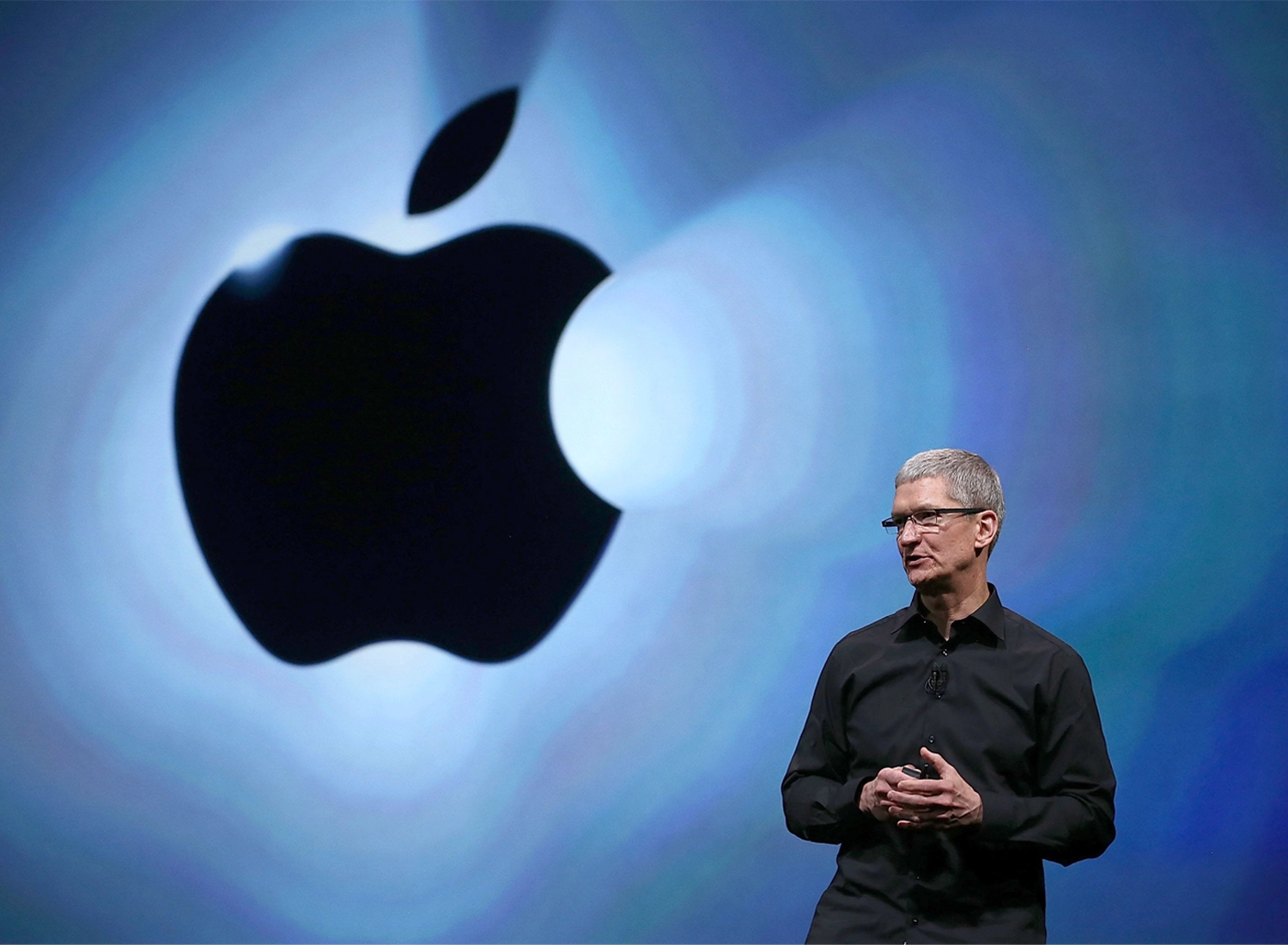
Tim Cook turned sixty-five this week. He has not spoken about retirement, yet inside Apple, preparation for the next stage is already taking shape. Leadership transitions at this level are designed over years. They begin with structure, not announcements.
When Cook became Chief Executive in 2011, Apple faced a question of continuity. Steve Jobs had defined the company’s identity. Cook defined its longevity. The result is the most valuable enterprise in the world, built on systems that scale creativity with discipline.
Under Cook, Apple grew from a hardware innovator into a global platform. Services, wearables, and financial products turned the company from a cyclical to a recurring revenue model. AirPods, the Apple Watch, Apple Pay, and Apple TV Plus integrated daily habits into a single ecosystem. That shift moved Apple from product reliance to operational fluency.
The company’s value increased more than seventeen times during Cook’s tenure. Each new division was engineered for consistency, from design and manufacturing to privacy and sustainability. Apple now operates as a network of interdependent units that reinforce one another through process, data, and trust.
The Architecture of Succession
Reports indicate that Apple is refining internal succession models to ensure continuity. Several leaders hold the depth and institutional knowledge required for the next phase. Jeff Williams, the Chief Operating Officer, leads operations with the same precision that once defined Cook’s career. Craig Federighi represents the company’s software culture and public narrative. John Ternus manages the hardware and silicon programs that position Apple for future growth.
Each executive operates within a framework that prioritizes collaboration over individual authority. The organization’s strength lies in that system. Apple’s leadership design distributes responsibility through aligned objectives rather than concentrated control.
What the Next CEO Will Face
The next leader will inherit an ecosystem that extends far beyond devices. Artificial intelligence, spatial computing, and sustainability already shape Apple’s research and investment priorities. The challenge ahead is to convert these forces into measurable products, services, and experiences that sustain Apple’s scale.
Apple’s board views this transition as part of a long operational horizon. The company is not planning a change of direction but an evolution of capability. The next era will focus on intelligence integration, localized production, and privacy-centric computing.
The Broader View
Tim Cook’s leadership built a durable foundation. He transformed Apple into an organization that can grow through structure rather than personality. The next generation of leaders will build upon that foundation to extend Apple’s influence into new technological frontiers.
The outcome of this planning will define how Apple continues to combine precision, continuity, and innovation at a global scale. Leadership transitions of this kind determine not only who leads next but how the world’s most consistent company renews its capacity to create.