

Forward deployed engineers are not standard engineering hires. They write production code inside customer environments they did not build, translate ambiguous business problems into working systems, and represent the company's technical credibility on-site with enterprise clients. That combination of skills is rare, the talent pool is narrow, and the cost of a mis-hire is high.
Most recruiting agencies are not equipped for this. Standard engineering search optimizes for algorithmic interview performance and credential matching. FDE search requires something different: the ability to evaluate production ownership under ambiguity, customer-facing judgment, and the willingness to travel and operate without a safety net.
The stakes are real. Job postings for FDE roles grew more than 800% in 2025, and demand has continued to accelerate as AI adoption expands into enterprise production environments. The engineers who can do this job well are mostly employed, mostly passive, and mostly not responding to cold LinkedIn messages.
This guide is for engineering leaders and talent acquisition teams who need to fill an FDE role and are evaluating whether to use a recruiting agency, which model fits, and what to demand from any partner they engage.
Why FDE Recruiting Is Different From Standard Engineering Search
Most engineering searches are won or lost on technical depth: coding ability, system design, relevant stack experience. FDE searches require all of that plus a second dimension that most recruiting pipelines do not measure at all.
The role is a hybrid. According to First Round Review, drawing on practitioners from Palantir, strong FDEs demonstrate grit, staff-level technical rigor, prolific building habits, genuine business curiosity, and a bias toward problem-solving over pattern-matching. None of those traits show up on a resume or in a LeetCode score.
The three dimensions that matter
[Table 1]
The travel requirement alone filters out a significant portion of otherwise qualified engineers. Anthropic's FDE role expects 25 to 50% on-site time at customer locations. Palantir has historically held a similar bar. Agencies that do not put travel expectations in the first third of the job description, and screen for genuine willingness early, waste time on candidates who will decline at the offer stage.
The core hiring error: Treating an FDE search like a senior software engineer search with a customer-facing checkbox. The customer-facing component is not a modifier. It is half the job.
The Three Recruiting Challenges That Define an FDE Search
Understanding why FDE searches fail is the fastest way to set up a search that succeeds. Three challenges account for the majority of mis-hires and extended timelines.
Challenge 1: Technical credibility is hard to assess from the outside
The FDE skill set is broad by design. Most strong candidates have production experience with at least one major cloud platform, infrastructure-as-code fluency, a general-purpose backend language, and increasingly, LLM deployment and RAG architecture experience. But the technical bar is not the hard part. The hard part is evaluating whether a technically capable engineer can perform in a customer environment they did not design, under pressure, without a clear spec.
Agencies that rely on standard coding assessments will pass candidates who fail in the field. The assessment methodology that consistently predicts FDE performance is the decomposition interview: a 45-to-60-minute session where the candidate structures a vague, real-world business problem before writing a line of code. This tests systems thinking, communication under ambiguity, and the ability to operate without a safety net. Palantir and other leading FDE employers use this format as a core screen. Most generalist agencies do not.
What to ask any agency: Walk me through your technical assessment for FDE candidates. Does it include a decomposition or open-ended deployment problem? If the answer is "we use a standard coding screen," that is a signal to probe further.
Challenge 2: Geographic flexibility is a deal-breaker that surfaces late
FDE roles carry real travel requirements. On-site expectations range from 25% at some product-led companies to 50% at services-led organizations. That means candidates need to be geographically flexible, either willing to relocate or comfortable with sustained travel cycles.
Most recruiting pipelines treat this as a logistics question asked late in the process. The result is a candidate who clears every technical and behavioral screen, reaches the offer stage, and then declines because the travel commitment conflicts with their life situation. That is a four-to-eight-week delay that an agency should have prevented at the first screen.
The right approach: Travel expectations belong in the job description, in the first recruiter conversation, and as a verified screen before any technical evaluation begins. Agencies that bury this until late in the funnel are optimizing for activity, not outcomes.
Challenge 3: Speed matters, but not at the cost of the hybrid bar
The FDE talent market is competitive. Average base compensation sits around $171,911, with senior and staff-level roles at frontier AI companies clearing $450,000 to $600,000+ in total compensation, per Perspective AI's 2026 FDE compensation report. The best candidates are receiving multiple offers simultaneously.
This creates pressure to move fast, and that pressure is legitimate. But speed without rigor produces the wrong outcome. The engineers who look like strong FDEs on paper but lack genuine customer-facing judgment are the ones most likely to fail within the first year. Given that a failed C-suite or senior engineering hire can cost 5 to 15 times the executive's annual salary in direct and indirect costs, a hire made in 30 days that fails in 90 is more expensive than a hire made in 90 days that succeeds.
The right agency compresses timelines through preparation, not by skipping evaluation steps. Upfront role calibration, a clear scorecard, and proactive compensation alignment prevent the delays that typically extend searches: restarts after a misaligned brief, late-stage offer declines, and post-hire performance issues.
How to Choose the Right Agency Model for Your FDE Search
Not every FDE search requires the same approach. The right model depends on seniority, urgency, and the risk profile of the hire.
Retained executive search (25-35% of total cash, 60-120 days, 12-month guarantee) is the right model for senior, lead, or foundational FDE hires where a mis-hire would damage customer relationships or product direction. The exclusive engagement means the agency is fully committed to your search, not racing to place whoever is available.
Contingent search (15-25% of base salary, 30-60 days) works for IC-level FDE roles where your internal team can run the technical evaluation and time-to-fill is the primary constraint. The incentive structure rewards placement speed, so own the assessment process yourself.
Embedded and augmentation models fit multi-hire FDE programs or situations where you need temporary deployment capacity quickly while a permanent search runs in parallel.
Match model to mandate
[Table 2]
What to Demand From Any FDE Recruiting Agency
Before signing an engagement, use this checklist to evaluate whether an agency is actually equipped for the hybrid bar that FDE roles require.
Assessment methodology
- Does the agency use decomposition interviews or open-ended deployment scenarios, not just coding assessments?
- Can they describe how they evaluate customer-facing judgment, specifically executive communication, conflict de-escalation, and ambiguity tolerance?
- Do they test for geographic flexibility and travel willingness in the first screen, before technical evaluation begins?
Relevant track record
- Can they provide references from FDE or hybrid technical-customer-facing placements specifically?
- Do they have documented experience in your industry vertical (fintech, healthcare, enterprise software, defense)?
- What is their guarantee period, and what triggers a replacement?
Process transparency
- What does their weekly reporting look like? Will you see candidate pipeline data, outreach response rates, and market feedback?
- How do they handle compensation misalignment? Do they benchmark before outreach or after?
- Who owns the candidates and data if you end the engagement?
Practical due diligence questions
Ask every agency these four questions before signing:
- "Show me a recent FDE placement and describe how you assessed the hybrid bar." A credible agency can walk through a specific example. Vague answers are a red flag.
- "How do you screen for geographic flexibility, and at what stage?" The right answer is early, before technical evaluation.
- "What decomposition or field scenario do you use in your technical screen?" If they default to algorithmic testing, probe whether they supplement it.
- "What is your guarantee, and what has triggered a replacement in the last 12 months?" Honest answers here reveal how they think about quality versus throughput.
A recruiting agency that cannot answer these questions with specificity has likely not run many true FDE searches. The role is new enough that most agencies are still treating it as a senior software engineer with a travel requirement.
For a full comparison of agencies by model and assessment approach, see the 10 Best Recruiting Agencies for Forward Deployed Engineers in 2026.
How to Structure the Engagement for Speed Without Sacrificing Quality
The most common source of avoidable delay in FDE searches is not the talent market. It is misalignment between the hiring team and the agency on what the role actually requires. Getting this right in the first week compresses the entire search.
Define the flavor before you write the brief
The FDE title covers meaningfully different roles depending on the company's motion. A services-led organization like Palantir or Distyl needs an engineer energized by deep, bespoke customer work. A product-led company like Glean or Sierra needs someone who can identify which customer requests represent product opportunities and exercise discipline about one-off builds.
These are different hires. Before briefing any agency, answer:
- Is success measured in customer deployments shipped, revenue expanded, or product improvements landed?
- Does this role require bespoke customer work or generalizable product judgment?
- What does the travel and on-site requirement actually look like week to week?
A clear answer to each of these questions changes the candidate profile, the sourcing strategy, and the assessment criteria. Agencies that do not ask these questions in the calibration conversation are not equipped to run a differentiated search.
Front-load the work that prevents late-stage failures
The delays that extend FDE searches most often occur at the end of the process, not the beginning: offer declines due to compensation misalignment, candidates who pass technical screens but fail customer-facing evaluations, and travel requirements that surface as deal-breakers at the offer stage.
Each of these is preventable with upfront work:
- Compensation benchmarking before outreach: Know the market range for your seniority level and location before the first candidate conversation. Median total compensation for enterprise FDE roles runs $215,000 to $238,000, with frontier AI lab roles reaching $350,000 to $550,000 or higher, per Perspective AI's 2026 compensation data. Entering the market without this data wastes time on candidates you cannot close.
- Travel screening in the first conversation: Confirm willingness and logistics before investing in technical evaluation.
- Scorecard alignment before outreach begins: Define what success looks like at 6, 12, and 24 months. This prevents the subjective drift that derails candidate comparison and slows decision-making.
Maintain decision velocity through the process
The best FDE candidates are evaluating multiple opportunities simultaneously. Interview loops that drag past six weeks, with unclear next steps and delayed feedback, lose candidates to faster-moving competitors. Establish a decision timeline with your internal team before the agency begins outreach, and hold to it.
For related guidance on building and leading FDE teams once the hire is made, see How to Hire Elite Forward Deployed Engineers and Forward Deployed Engineering Teams: A New Enterprise Priority.
The Bottom Line
FDE recruiting fails when it is treated as a standard engineering search with a travel checkbox. The role demands a recruiting partner who can assess production ownership, customer-facing judgment, and geographic flexibility together, and who structures the process to surface deal-breakers early rather than at the offer stage.
The right agency earns its fee by preventing the mis-hire, not by filling the seat quickly. For senior and cornerstone FDE roles, the difference between a 90-day retained search that produces a durable placement and a 30-day contingent search that results in a departure within a year is not a question of speed. It is a question of what the search was actually designed to find.
If your FDE search requires senior-level counsel, rigorous hybrid assessment, and a process built around long-term deployment success, Christian & Timbers can provide a role-specific market map and compensation benchmark before you launch. With 40+ years of experience and 5,000+ placements across technology's most demanding roles, the firm's OnPoint scorecard methodology evaluates production engineering depth and customer-facing judgment together, backed by a 12-month placement guarantee.
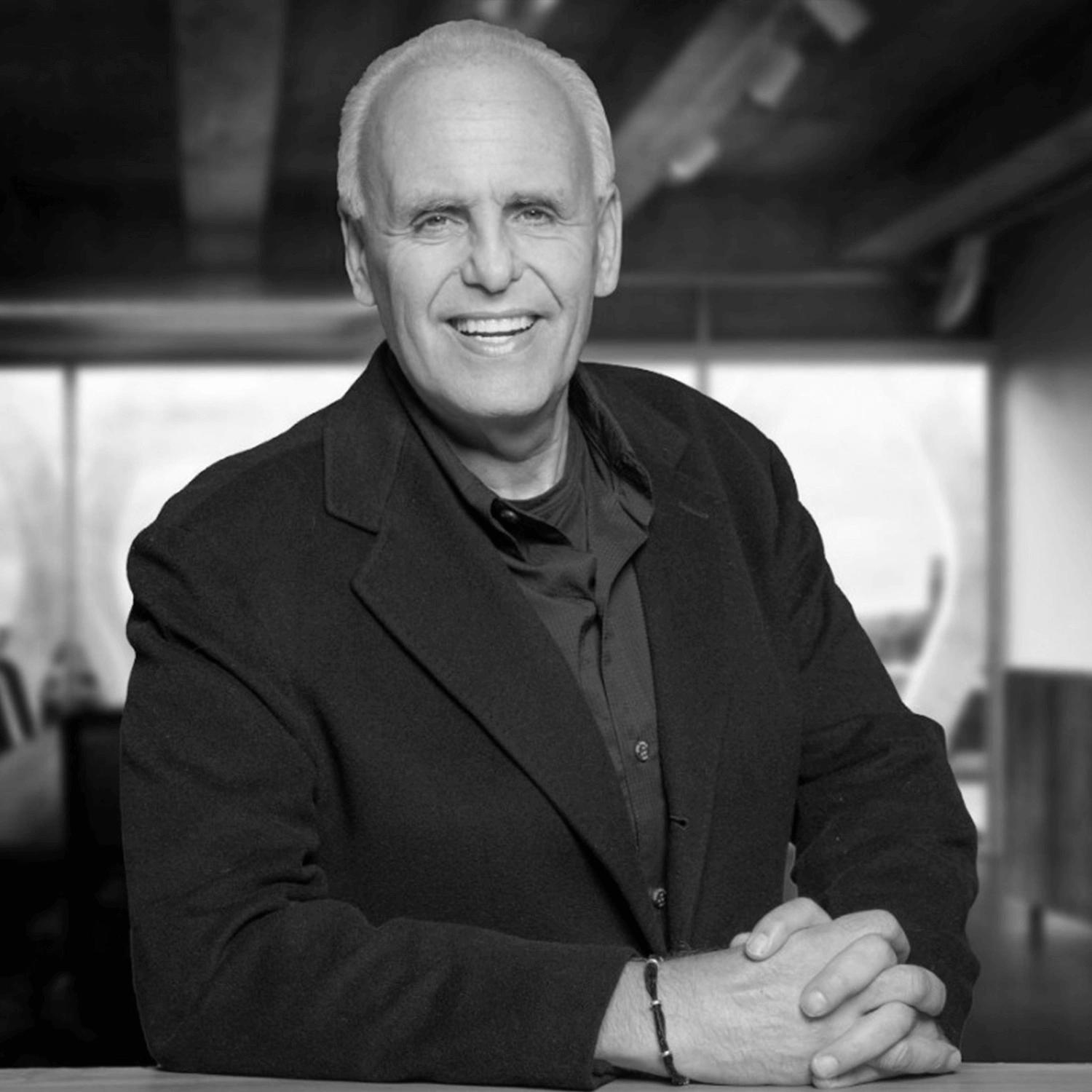
By Jeff Christian, Founder & CEO of Christian & Timbers, featured in Bloomberg, TechCrunch, Reuters, and other leading media outlets.