
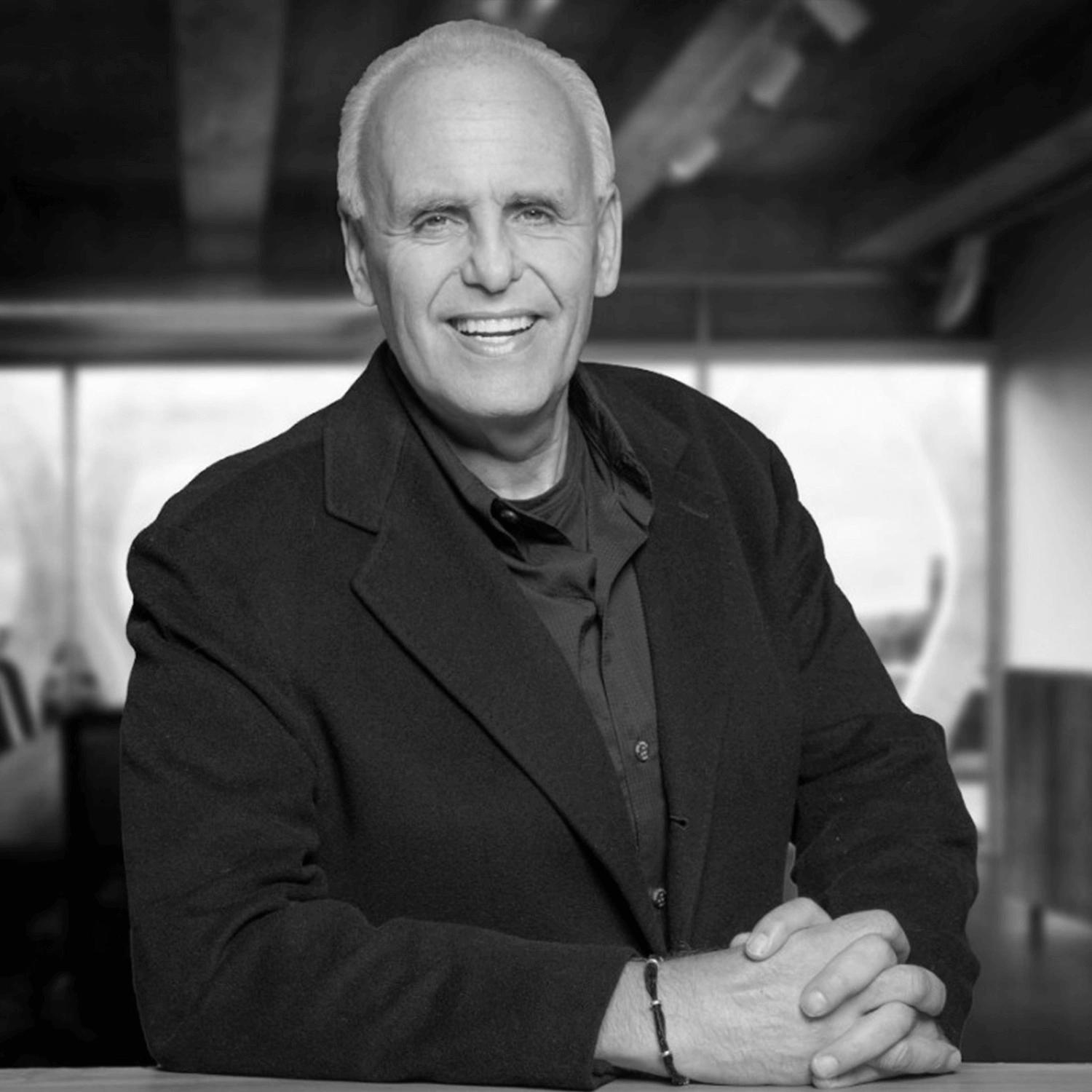

Yesterday on Bloomberg, I shared my view on Nike's CFO transition. What surprised me is that it did not happen sooner. When a new CEO comes in, the CFO transition tends to follow within months. Elliott Hill took the top job in October 2024. The timing still works. This is the right hire at this point in Nike's turnaround.
David Denton joins Nike as Executive Vice President and Chief Financial Officer on August 17, succeeding Matthew Friend, who stays through September 4 to support the handover.
Most of the coverage has framed this as a turnaround hire. A disciplined operator from Pfizer, brought in to steady the numbers. That reading is not wrong. But it misses what I think matters more.
What Pfizer actually did
When I look at Denton's background, what interests me most is not his CFO tenure at Lowe's or CVS Health. It is what happened at Pfizer while he was there.
Pfizer has been pursuing one of the more ambitious AI transformation programs among large global enterprises. It has publicly discussed roughly $5 billion in net cost savings supported in part by AI and automation. Much of that effort focused on workflow automation and operational efficiency, including the use of agentic AI across parts of the business.
That kind of result does not come from a digital team working in isolation. When efficiency gains at that scale appear in the financials, the CFO is at the center of them. Denton was in that seat at Pfizer. He has seen what AI transformation can produce inside a finance organization. He was accountable for the financial outcomes.
Why this matters for Nike
Nike's net income fell 35% in the third quarter to $520 million, with net sales flat at $11.3 billion. If Nike is going to move those numbers and report better results to the street, the most direct path runs through efficiency before it runs through revenue recovery.
Much of the AI transformation that still needs to happen inside large companies is concentrated in finance. Finance and healthcare tend to be where the complexity is highest and where efficiency gains are most measurable. Pfizer combines the complexity of finance with the demands of a highly regulated healthcare business, giving Denton experience with both.
What Nike actually bought
Hill described the hire as a natural moment to move from foundational actions to sustained growth through Nike's Sport Offense operating model. That framing is accurate. But sustained growth depends on what Denton actually does with the finance organization.
Nike also chose not to promote internally into the CFO role. Bringing in someone with Denton's background at this moment reflects a deliberate succession decision.
If he brings the same orientation toward AI-driven efficiency that characterized Pfizer's finance transformation, Nike's margin story will start moving before the brand recovery does. The street will notice that first.
The CFO role has changed. The finance leaders driving better margins right now are the ones who got into AI transformation early and pushed it through the organization.